
Affordable housing is a critical component of urban planning and community development, particularly in areas experiencing rapid growth and rising living costs. The concept of affordable housing encompasses a range of options, including subsidized housing, low-income housing tax credit properties, and various forms of cooperative living arrangements. These options are designed to ensure that individuals and families can secure a place to live without being financially burdened.
For instance, many cities have implemented inclusionary zoning policies that require developers to allocate a percentage of new housing units for low- to moderate-income residents. This approach not only helps to diversify neighborhoods but also fosters economic stability by allowing people from various backgrounds to coexist. In addition to government initiatives, non-profit organizations play a vital role in creating affordable housing solutions.
Organizations such as Habitat for Humanity and local community development corporations work tirelessly to build homes for those in need. They often rely on volunteer labor and donations to keep costs low, making homeownership accessible to families who might otherwise be priced out of the market. Furthermore, innovative housing models like tiny homes and co-housing communities are gaining traction as viable alternatives to traditional housing.
These models emphasize sustainability and community living, allowing residents to share resources and reduce individual expenses while fostering a sense of camaraderie among neighbors.
Key Takeaways
- Affordable housing options are available for those looking for cost-effective living arrangements.
- Community amenities and activities provide opportunities for residents to engage and connect with one another.
- Convenient location and access to services make daily tasks and errands easier for residents.
- A strong sense of community and belonging is fostered through various social events and gatherings.
- Safety and security measures are in place to ensure the well-being of all residents.
Community Amenities and Activities
Community amenities significantly enhance the quality of life for residents, providing spaces for recreation, relaxation, and social interaction. Parks, playgrounds, and sports facilities are essential components of any thriving community, offering residents opportunities to engage in physical activities and enjoy the outdoors. For example, a well-designed park with walking trails, picnic areas, and sports courts can serve as a gathering place for families and individuals alike.
Such amenities not only promote a healthy lifestyle but also encourage social connections among residents, fostering a sense of belonging. In addition to outdoor spaces, community centers often serve as hubs for various activities and programs. These centers typically offer classes ranging from arts and crafts to fitness programs, catering to diverse interests and age groups.
For instance, a community center might host yoga classes for adults while providing after-school programs for children. By offering a variety of activities, these centers help residents build relationships with one another while also enhancing their skills and knowledge. Moreover, events such as farmers’ markets, cultural festivals, and holiday celebrations can further strengthen community ties by bringing people together in a festive atmosphere.
Convenient Location and Access to Services
The location of a community plays a crucial role in determining its desirability and livability. Proximity to essential services such as grocery stores, schools, healthcare facilities, and public transportation can significantly impact residents’ daily lives. A well-located community allows residents to access these services with ease, reducing the time spent commuting and enhancing overall convenience.
For example, neighborhoods situated near major transit lines can provide residents with quick access to downtown areas or employment hubs, making it easier for them to maintain their jobs while enjoying the benefits of suburban living. Furthermore, the availability of local businesses contributes to the vibrancy of a community. Small shops, cafes, and restaurants not only provide essential goods and services but also create a unique character that distinguishes one neighborhood from another.
When residents can walk or bike to nearby establishments, it fosters a sense of connection to the area and encourages local economic growth. Additionally, communities that prioritize walkability often see increased social interactions among residents, as people are more likely to engage with their neighbors when they are out and about in their neighborhood.
Sense of Community and Belonging
| Metrics | Data |
|---|---|
| Number of community events | 15 |
| Percentage of residents who feel a sense of belonging | 85% |
| Number of community organizations | 10 |
| Percentage of residents who know their neighbors | 70% |
A strong sense of community is fundamental to the well-being of individuals and families living in any neighborhood. When residents feel connected to one another, they are more likely to participate in local events, volunteer their time, and support one another during challenging times. This sense of belonging can be cultivated through various means, such as neighborhood associations or community watch programs that encourage residents to take an active role in shaping their environment.
For instance, regular meetings or social gatherings can provide opportunities for residents to voice their concerns, share ideas, and collaborate on projects that benefit the entire community. Moreover, fostering inclusivity is essential for building a cohesive community. Efforts to celebrate diversity through cultural events or educational programs can help bridge gaps between different groups within the neighborhood.
For example, hosting an international potluck where residents share dishes from their cultural backgrounds can create an atmosphere of appreciation and understanding. Such initiatives not only promote social cohesion but also enrich the community’s cultural fabric by highlighting the unique contributions of each resident.
Safety and Security
Safety is a paramount concern for individuals and families when choosing where to live. A secure environment allows residents to feel at ease in their homes and communities. Various factors contribute to the perception of safety in a neighborhood, including crime rates, street lighting, and the presence of law enforcement.
Communities that prioritize safety often implement measures such as neighborhood watch programs or community policing initiatives that encourage collaboration between residents and law enforcement agencies. These programs can foster trust and communication while empowering residents to take an active role in maintaining their safety. In addition to crime prevention strategies, physical design elements can enhance safety within a community.
Well-lit streets, clear sightlines, and well-maintained public spaces contribute to an environment where residents feel secure walking or biking at night. Furthermore, the presence of active public spaces—such as parks or plazas—can deter criminal activity by increasing foot traffic and visibility. Communities that invest in safety measures not only protect their residents but also create an inviting atmosphere that attracts new families and individuals seeking a safe place to call home.
Maintenance-Free Living
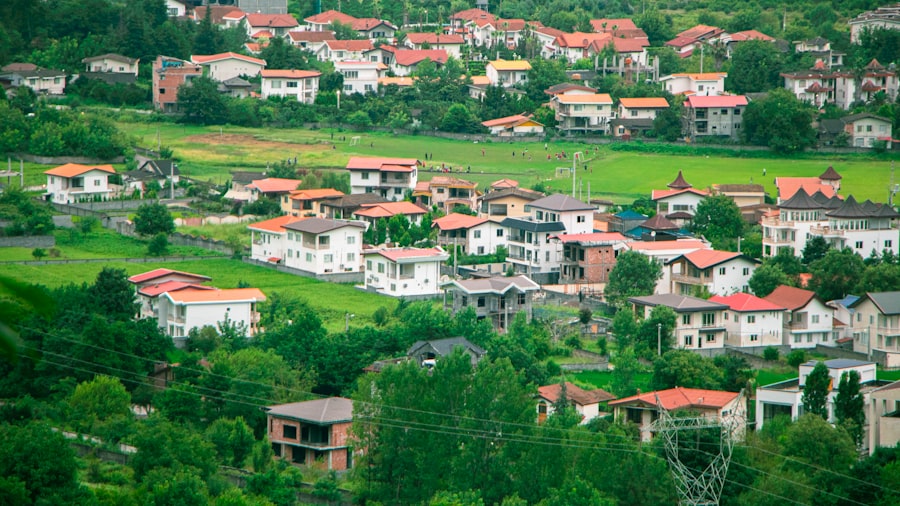
Maintenance-free living is an appealing option for many individuals and families who prefer not to deal with the responsibilities associated with homeownership. This lifestyle is often found in condominium complexes or rental communities where property management takes care of maintenance tasks such as landscaping, repairs, and snow removal. For busy professionals or retirees looking to downsize, this arrangement allows them to focus on enjoying life rather than worrying about home upkeep.
The convenience of maintenance-free living can lead to increased leisure time for hobbies, travel, or spending time with family and friends. Additionally, maintenance-free living can foster a sense of community among residents who share similar lifestyles. In many cases, these communities offer shared amenities such as pools, fitness centers, or clubhouses that encourage social interaction among neighbors.
Residents can participate in organized activities or simply enjoy each other’s company in communal spaces without the burden of home maintenance weighing them down. This lifestyle choice not only enhances individual well-being but also contributes to the overall vibrancy of the community.
Access to Healthcare and Wellness Services
Access to healthcare services is a critical consideration for individuals when choosing where to live. Proximity to hospitals, clinics, and wellness centers can significantly impact residents’ health outcomes and overall quality of life. Communities that prioritize healthcare access often feature a range of medical facilities within close reach, ensuring that residents can receive timely care when needed.
For instance, neighborhoods with urgent care centers or family practice clinics allow individuals to address minor health concerns without having to travel long distances. Moreover, wellness services such as fitness centers, yoga studios, and mental health resources contribute to a holistic approach to health within a community. By promoting physical activity and mental well-being through accessible facilities and programs, communities can empower residents to take charge of their health.
For example, offering free fitness classes in local parks or organizing health fairs can encourage individuals to adopt healthier lifestyles while fostering connections among neighbors who share similar health goals.
Opportunities for Socializing and Networking
Socializing and networking opportunities are essential components of a vibrant community life. Engaging with neighbors fosters relationships that can lead to lasting friendships and support systems. Communities that prioritize social interaction often host events such as block parties, movie nights in the park, or seasonal festivals that bring residents together in a relaxed setting.
These gatherings provide an excellent platform for individuals to meet new people while enjoying shared experiences. Networking opportunities within a community can also extend beyond casual social events. Professional networking groups or business associations can help residents connect with others in their field or industry.
For instance, local chambers of commerce often organize events that facilitate connections between entrepreneurs and business owners within the area. By creating spaces for both socializing and professional development, communities can enhance the overall quality of life for their residents while fostering economic growth through collaboration and support among local businesses.