
Insurance for manufactured homes is a critical aspect of homeownership that often goes overlooked. Unlike traditional homes, manufactured homes are built in a factory and transported to their final location, which can expose them to unique risks. These homes may be more susceptible to certain types of damage, such as wind or flood damage, particularly if they are located in areas prone to severe weather.
Therefore, having adequate insurance coverage is essential to protect your investment and ensure peace of mind. Moreover, the importance of insurance extends beyond mere property protection. It encompasses liability coverage, which safeguards homeowners against potential lawsuits arising from accidents that occur on their property.
For instance, if a visitor were to slip and fall on your manufactured home’s premises, liability insurance would cover legal fees and medical expenses. This aspect of insurance is particularly vital for manufactured homeowners, who may face higher risks due to the nature of their homes and the environments in which they are often situated.
Key Takeaways
- Insurance for manufactured homes is important for protecting your investment and providing financial security in the event of damage or loss.
- Types of insurance coverage available for manufactured homes include property coverage, liability coverage, and additional endorsements for specific risks.
- When choosing insurance for your manufactured home, consider factors such as the home’s location, age, value, and any additional structures or features.
- Assessing the value of your manufactured home for insurance purposes involves considering the cost to replace or repair the home, as well as any personal belongings inside.
- Finding the right insurance provider for your manufactured home involves researching and comparing quotes, as well as considering the provider’s reputation and customer service.
- In the event of damage or loss to your manufactured home, take steps such as documenting the damage, contacting your insurance provider, and making temporary repairs to prevent further damage.
- Common misconceptions about insurance for manufactured homes include beliefs that it’s not necessary or that traditional homeowners insurance provides adequate coverage.
- The benefits of having insurance for your manufactured home include financial protection, peace of mind, and assistance with temporary living expenses if your home becomes uninhabitable.
Types of Insurance Coverage Available for Manufactured Homes
When it comes to insuring manufactured homes, several types of coverage are available to meet the diverse needs of homeowners. The most common form is the actual cash value (ACV) policy, which compensates homeowners for the depreciated value of their home and belongings at the time of loss. This type of policy is often more affordable but may not provide sufficient funds to replace a home or its contents fully.
Another option is the replacement cost policy, which covers the full cost of replacing the home and its contents without factoring in depreciation. This type of coverage is particularly beneficial for homeowners who want to ensure they can rebuild or replace their home in the event of a total loss. Additionally, specialized policies such as mobile home insurance can offer tailored coverage that addresses the specific risks associated with manufactured homes, including coverage for skirting, awnings, and other unique features.
Factors to Consider When Choosing Insurance for Your Manufactured Home
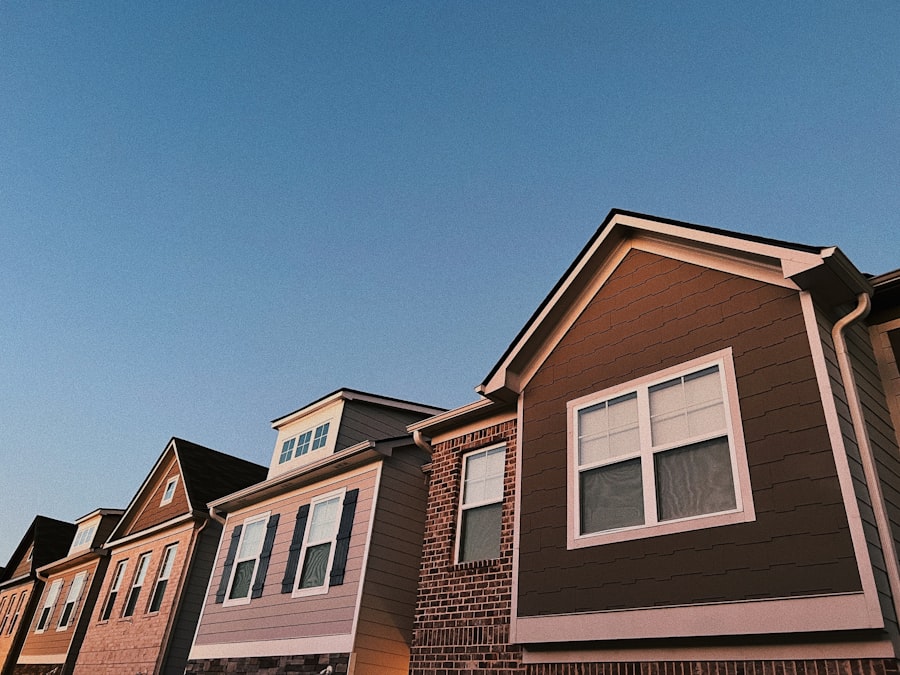
Selecting the right insurance policy for a manufactured home involves careful consideration of various factors. One crucial aspect is the location of the home. Homes situated in areas prone to natural disasters, such as hurricanes or floods, may require additional coverage options like flood insurance or windstorm endorsements.
Understanding the specific risks associated with your geographical area can help you choose a policy that adequately protects against those threats. Another important factor is the age and condition of the manufactured home. Older homes may have different insurance requirements compared to newer models, as they might be more susceptible to damage or have outdated materials that could affect safety.
Additionally, homeowners should consider their personal belongings and lifestyle when selecting coverage limits. A thorough inventory of possessions can help determine how much personal property coverage is necessary to ensure adequate protection.
How to Assess the Value of Your Manufactured Home for Insurance Purposes
| Factors | Considerations |
|---|---|
| Age of the home | Assess the age of the manufactured home to determine its depreciation value |
| Location | Consider the geographic location and local market conditions that may affect the value |
| Size and square footage | Take into account the size and square footage of the home to determine its replacement cost |
| Condition | Evaluate the overall condition of the home, including any upgrades or renovations |
| Additional features | Assess any additional features such as decks, porches, or attached structures |
| Local building codes | Consider the local building codes and regulations that may impact the replacement cost |
Determining the value of a manufactured home for insurance purposes requires a comprehensive approach that considers various elements. One effective method is to conduct a professional appraisal, where an expert evaluates the home’s condition, size, age, and location. This appraisal can provide an accurate estimate of the home’s market value and help inform insurance decisions.
Homeowners can also utilize online valuation tools that take into account recent sales data for similar manufactured homes in their area. These tools can provide a ballpark figure but should be used in conjunction with other methods for a more accurate assessment. Additionally, it’s essential to consider any improvements or renovations made to the home, as these can significantly increase its value and should be reflected in the insurance policy.
Tips for Finding the Right Insurance Provider for Your Manufactured Home
Finding the right insurance provider for a manufactured home involves thorough research and comparison shopping. Start by seeking recommendations from friends, family, or local real estate agents who may have experience with specific insurers. Online reviews and ratings can also provide valuable insights into customer satisfaction and claims handling processes.
Once you have a list of potential providers, it’s crucial to obtain multiple quotes to compare coverage options and premiums. Pay close attention to policy details, including deductibles, exclusions, and any additional endorsements that may be necessary for comprehensive coverage. Engaging with an insurance agent who specializes in manufactured homes can also be beneficial; they can guide you through the nuances of different policies and help tailor coverage to your specific needs.
Steps to Take in the Event of Damage or Loss to Your Manufactured Home

In the unfortunate event of damage or loss to a manufactured home, homeowners should follow a series of steps to ensure proper handling of the situation. First and foremost, safety should be the priority; if there are any immediate dangers such as gas leaks or structural instability, evacuate the premises and contact emergency services if necessary. Once it is safe to do so, document the damage thoroughly by taking photographs and making detailed notes about what occurred.
This documentation will be invaluable when filing an insurance claim. Next, contact your insurance provider as soon as possible to report the incident and initiate the claims process. Be prepared to provide them with all relevant information, including your policy number and details about the damage.
Common Misconceptions About Insurance for Manufactured Homes
There are several misconceptions surrounding insurance for manufactured homes that can lead to confusion among homeowners. One prevalent myth is that manufactured homes are not insurable or that they are automatically considered high-risk properties. In reality, many reputable insurance companies offer policies specifically designed for manufactured homes, recognizing their unique characteristics and risks.
Another common misconception is that all manufactured homes are treated equally under insurance policies. In truth, factors such as age, location, and construction quality can significantly impact coverage options and premiums. Homeowners should not assume that their policy will cover all potential risks; instead, they should actively engage with their insurer to understand what is included and what additional coverage may be necessary.
The Benefits of Having Insurance for Your Manufactured Home
Having insurance for a manufactured home provides numerous benefits that extend beyond mere financial protection. One significant advantage is peace of mind; knowing that your investment is safeguarded against unforeseen events allows homeowners to focus on enjoying their living space without constant worry about potential disasters. Additionally, insurance can facilitate quicker recovery in the aftermath of damage or loss.
With adequate coverage in place, homeowners can access funds needed for repairs or replacement without facing financial hardship. This support can be crucial in maintaining stability during challenging times. Furthermore, many insurance policies offer additional living expenses coverage, which can help cover costs associated with temporary housing while repairs are being made.
In conclusion, understanding the importance of insurance for manufactured homes is essential for protecting one’s investment and ensuring peace of mind. By exploring various types of coverage available, considering key factors when choosing a policy, accurately assessing home value, finding the right provider, knowing steps to take after damage occurs, dispelling common misconceptions, and recognizing the benefits of having insurance, homeowners can make informed decisions that enhance their security and well-being in their manufactured homes.